

Hnycareershub
Add a review FollowOverview
-
Founded Date 1927 年 7 月 1 日
-
Sectors Education
-
Posted Jobs 0
-
Viewed 10

Company Description
NHS: A Universal Embrace

In the sterile corridors of Birmingham Women’s and Children’s NHS Foundation Trust, a young man named James Stokes navigates his daily responsibilities with subtle confidence. His oxford shoes move with deliberate precision as he acknowledges colleagues—some by name, others with the comfortable currency of a “good morning.”
James carries his identification not merely as institutional identification but as a testament of acceptance. It rests against a well-maintained uniform that betrays nothing of the challenging road that led him to this place.
What distinguishes James from many of his colleagues is not visible on the surface. His demeanor gives away nothing of the fact that he was among the first beneficiaries of the NHS Universal Family Programme—an effort crafted intentionally for young people who have experienced life in local authority care.
“I found genuine support within the NHS structure,” James reflects, his voice controlled but carrying undertones of feeling. His statement encapsulates the essence of a programme that seeks to revolutionize how the enormous healthcare system views care leavers—those frequently marginalized young people aged 16-25 who have emerged from the care system.
The statistics paint a stark picture. Care leavers frequently encounter poorer mental health outcomes, financial instability, housing precarity, and lower academic success compared to their peers. Beneath these clinical numbers are personal narratives of young people who have navigated a system that, despite good efforts, frequently fails in providing the stable base that molds most young lives.
The NHS Universal Family Programme, initiated in January 2023 following NHS England’s pledge to the Care Leaver Covenant, represents a substantial transformation in organizational perspective. Fundamentally, it acknowledges that the entire state and civil society should function as a “collective parent” for those who haven’t experienced the constancy of a typical domestic environment.
Ten pioneering healthcare collectives across England have blazed the trail, establishing frameworks that reconceptualize how the NHS—one of Europe’s largest employers—can create pathways to care leavers.
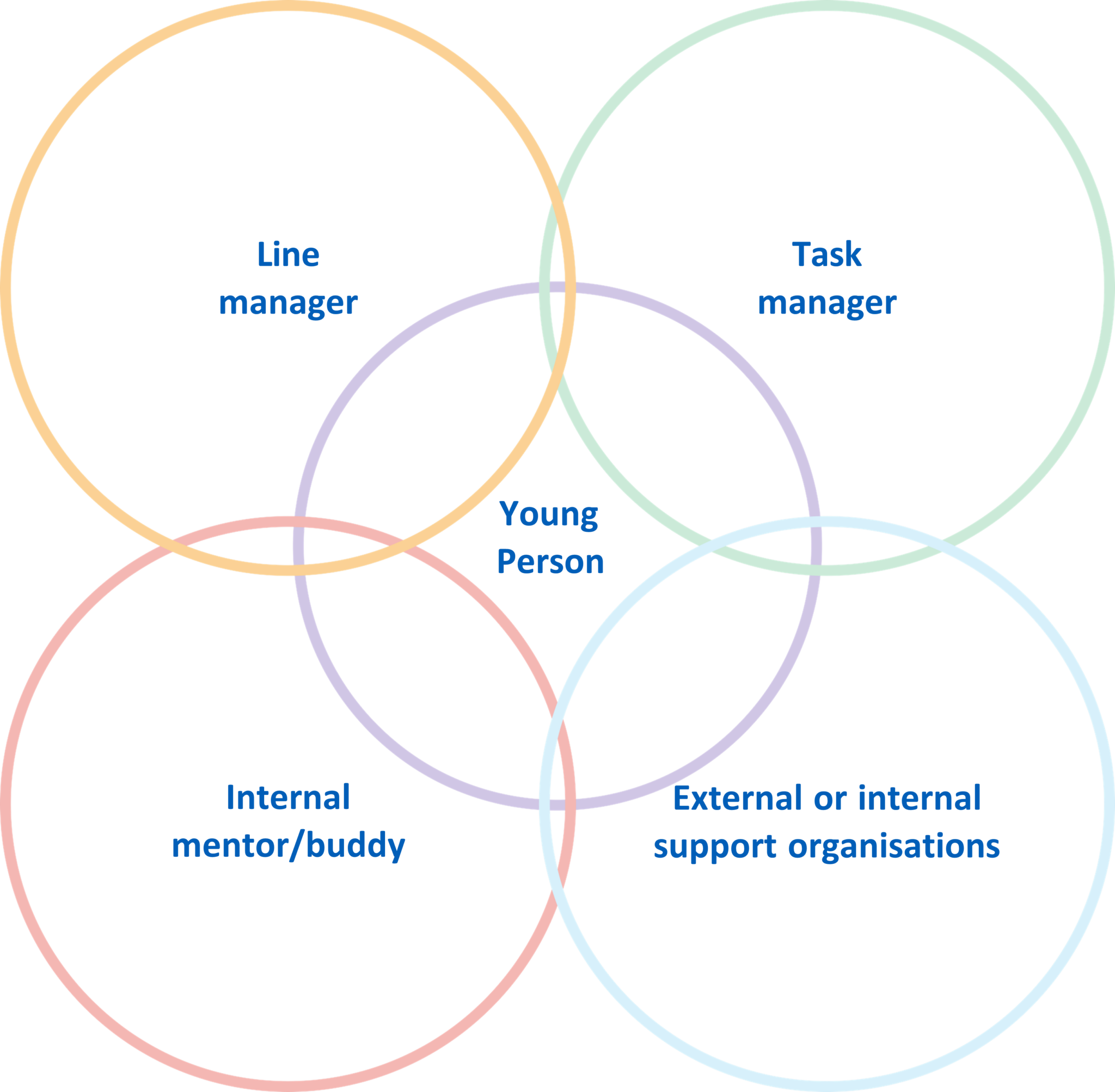
The Programme is detailed in its strategy, initiating with detailed evaluations of existing policies, establishing management frameworks, and garnering leadership support. It acknowledges that successful integration requires more than noble aims—it demands concrete steps.
In NHS Birmingham and Solihull ICB, where James started his career, they’ve created a reliable information exchange with representatives who can provide help and direction on wellbeing, HR matters, recruitment, and equality, diversity, and inclusion.
The conventional NHS recruitment process—rigid and possibly overwhelming—has been thoughtfully adapted. Job advertisements now emphasize character attributes rather than long lists of credentials. Application procedures have been redesigned to accommodate the particular difficulties care leavers might face—from lacking professional references to having limited internet access.
Maybe most importantly, the Programme acknowledges that entering the workforce can create specific difficulties for care leavers who may be handling self-sufficiency without the backup of familial aid. Matters like travel expenses, personal documentation, and financial services—assumed basic by many—can become significant barriers.
The elegance of the Programme lies in its thorough planning—from outlining compensation information to helping with commuting costs until that critical first payday. Even apparently small matters like break times and office etiquette are deliberately addressed.
For James, whose career trajectory has “changed” his life, the Programme provided more than work. It offered him a perception of inclusion—that intangible quality that grows when someone feels valued not despite their past but because their particular journey enhances the institution.
“Working for the NHS isn’t just about doctors and nurses,” James comments, his expression revealing the quiet pride of someone who has discovered belonging. “It’s about a collective of different jobs and roles, a group of people who really connect.”
The NHS Universal Family Programme embodies more than an job scheme. It stands as a strong assertion that systems can evolve to embrace those who have known different challenges. In doing so, they not only transform individual lives but enhance their operations through the special insights that care leavers bring to the table.
As James walks the corridors, his participation silently testifies that with the right help, care leavers can thrive in environments once thought inaccessible. The embrace that the NHS has offered through this Programme symbolizes not charity but recognition of hidden abilities and the profound truth that all people merit a community that believes in them.
