

Victorian Era Greenhouse Installers
Add a review FollowOverview
-
Founded Date 1924 年 12 月 11 日
-
Sectors Marketing
-
Posted Jobs 0
-
Viewed 17

Company Description
9 . What Your Parents Taught You About Traditional Victorian Conservatory

The Timeless Charm of Traditional Victorian Conservatories
When one thinks of Victorian architecture, visions of splendour, complex details, and sprawling gardens typically enter your mind. An essential feature of this era is the Victorian conservatory, a structure that blends the indoors with the outdoors, allowing nature to flawlessly instill homes with light and plant. This blog post dives into the historical significance, architectural aspects, benefits, and care of traditional Victorian conservatories, accompanied by useful tables and a valuable FAQ section.
Historic Significance
Victorian conservatories emerged during the 19th century, accompanying the Industrial Revolution. Wealthy Victorians looked for to showcase their abundance and gratitude for nature, leading to the development of glasshouses, which served as both practical areas for growing unique plants and lovely settings for celebrations. These structures represent not just a period of architectural development however likewise the social characteristics of the time, as they were often utilized for home entertainment and relaxation.
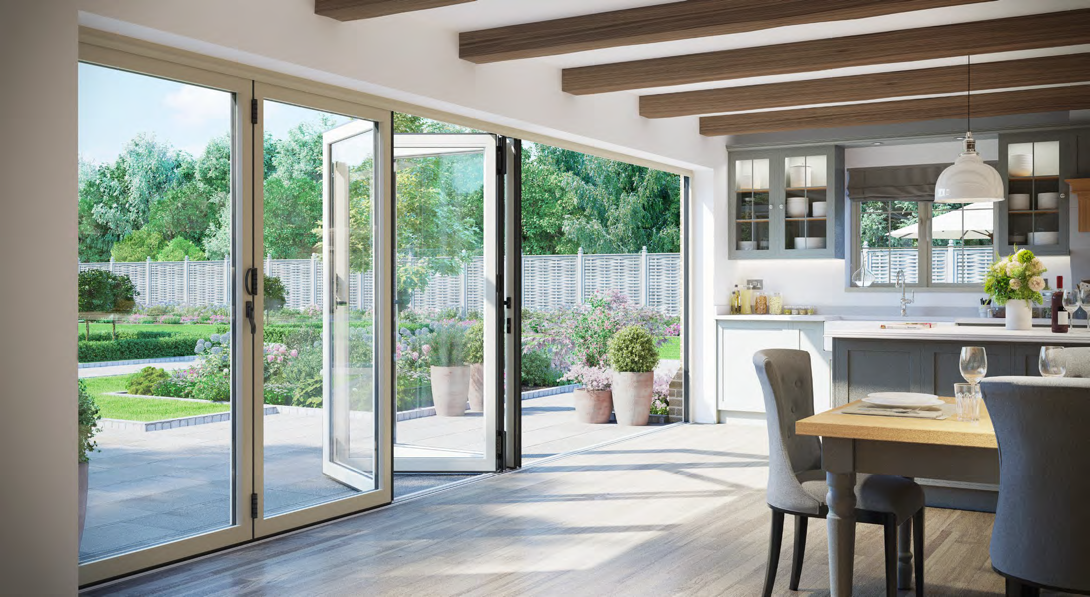
Table 1: Key Historical Milestones of Victorian Conservatories
| Year | Turning point |
|---|---|
| 1830 | Increase of the glasshouse as a stylish structure |
| 1851 | The Crystal Palace, a pivotal design influence |
| 1860 | Intro of new glass manufacturing strategies |
| 1880 | Emergence of elaborate ironwork and ornamental elements |
Architectural Features
Traditional Victorian Era Room Extension Installers conservatories stand out in their architectural components, making them a banquet for the eyes. Below are the hallmark includes that identify these stunning structures:
- Glass Roofs: Expansive glass ceilings permit maximum natural light to filter in, producing a brilliant and airy area.
- Ornate Finials and Crestings: Decorative components adorn the tops of glass panes and roofing system ridges, including sophistication and character.
- Mullioned Windows: Vertically and horizontally divided panes supply a timeless look and enhance the structural stability of the conservatory.
- Victorian Ironwork: Intricate metal frameworks typically crafted in wrought iron or cast iron develop a durable yet artistic assistance structure.
- Gothic and Classical Influences: Many designs borrow from Gothic arches or classical columns, offering the space a classic appeal.
Table 2: Key Architectural Features of Victorian Conservatories
| Function | Description | Function |
|---|---|---|
| Glass Roof | Large panes of glass for natural light | Creates an illusion of openness |
| Ornate Finials/Crest | Decorative tips on roofing system structures | Boosts visual appeal |
| Mullioned Windows | Divided window panes | Deals traditional appearance and stability |
| Victorian Ironwork | Detailed metal structures | Supplies assistance while adding beauty |
| Gothic/Classical Influence | Architectural styles obtained from history | Deepens cultural connection and elegance |
Advantages of Traditional Victorian Conservatories
Purchasing a Victorian conservatory goes beyond visual appeal. These structures provide various benefits that extend the performance and appeal of a home:
- Natural Light: A conservatory makes the most of sunlight exposure, illuminating nearby living areas.
- Increased Property Value: The addition of a conservatory can enhance a home’s market value and increase its interest buyers.
- Versatile Space: Whether utilized as a garden room, home workplace, or relaxation location, a conservatory can adjust to various needs.
- Connection to Nature: With a conservatory, property owners can enjoy the beauty of nature from the convenience of their homes, cultivating a calming environment.
- Energy Efficiency: Modern advancements in glass technology may cause lower energy costs, as they often help control internal temperatures.
Table 3: Benefits of Having a Victorian Conservatory
| Benefit | Description |
|---|---|
| Natural Light | Improves brightness in the home |
| Increased Property Value | Appealing to possible purchasers |
| Versatile Space | Can serve multiple purposes |
| Connection to Nature | Provides a tranquil environment |
| Energy Efficiency | Potentially lowers energy expenses |
Care and Maintenance of Victorian Conservatories
To ensure that a traditional Victorian Conservatory Builders conservatory keeps its appeal and performance, proper care is necessary. Here are some tips for preserving a stunning conservatory:
- Regular Cleaning: Dust and particles can accumulate on glass surfaces, obstructing light. Utilize a soft cloth and proper cleaner for both glass and metal.
- Examine for Damage: Periodically inspect the structure for any signs of wear or damage, specifically in the panes, joints, and ironwork.
- Sealant Maintenance: Ensure that any seals around windows or doors are undamaged to prevent water leaks and drafts.
- Plant Care: If including plants, ensure sufficient sunshine, watering, and pruning to keep their health and vigor.
- Environment Control: Consider utilizing tones or temperature levels controls, especially in extreme climate condition, to safeguard plants and inhabitants.
Table 4: Maintenance Tips for Victorian Conservatories
| Maintenance Task | Frequency | Purpose |
|---|---|---|
| Regular Cleaning | Monthly | Prevents accumulation of dirt and grime |
| Check for Damage | Biannually | Recognizes wear and avoids bigger repairs |
| Sealant Maintenance | Annually | Makes sure energy effectiveness and prevents leaks |
| Plant Care | Ongoing | Keeps a healthy indoor garden |
| Climate Control | Seasonal | Protects against temperature extremes |
FAQs About Victorian Conservatories
Q: What products are generally utilized in a Victorian conservatory?A: Traditional Victorian conservatories are mainly constructed from glass and metal, typically using cast or wrought iron for the framework. Q: Can I utilize a Victorian Conservatory Builders conservatory year-round
? A: Yes, lots of contemporary Victorian conservatories are geared up with climate control systems that enable for comfortable usage throughout the year. Q: Are Victorian conservatories energy-efficient? A: With advancements in glass technology, conservatories can be energy-efficient,
helping manage temperature level and decrease heating expenses. Q: How do I decorate a Victorian conservatory?A: Embrace its natural charm by including indoor plants, comfortable
seating, and soft furnishings that match the total visual. Q: What are the very best plants for a Victorian conservatory?A: Popular choices include ferns, orchids, citrus trees, and succulents, all of which prosper in
brilliant, humid conditions. The traditional Victorian conservatory marries architectural appeal with functional beauty, efficiently capturing the spirit of the Victorian era. These structures continue to record the creativity of homeowners and designers alike, using a versatile area that enhances both property worth and quality of life. With their historic significance and classic appeal, Victorian Era Greenhouse Installers conservatories stay a treasured addition to any home, providing a symbiosis of nature and shelter that invites us to enjoy in life’s simple pleasures.
