private charter flights cost
Add a review FollowOverview
-
Founded Date 1960 年 12 月 14 日
-
Sectors Writing
-
Posted Jobs 0
-
Viewed 34

Company Description
The Rise of Private Plane Flights: A Case Study on Luxurious And Efficiency
In recent years, the aviation industry has witnessed a major shift in the direction of private plane flights, catering to a growing clientele that values luxurious, efficiency, and comfort. This case study explores the elements contributing to the rise of private aviation, the demographics of its customers, the financial implications, and the future of the business.
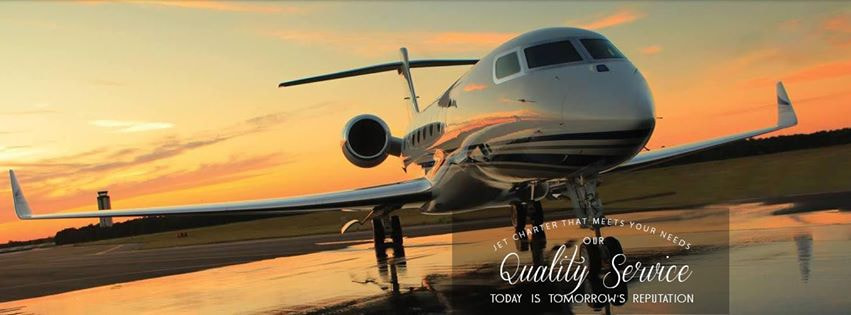
The Evolution of Private Aviation
Private aviation has a rich history dating again to the early 20th century, however its modern type began to take shape in the 1960s with the introduction of enterprise jets. The initial clientele comprised primarily corporate executives searching for to maximize time efficiency. Nonetheless, as the trade evolved, private flights grew to become more accessible to excessive-net-value people, celebrities, and even leisure travelers.
The introduction of fractional ownership programs in the 1980s, resembling NetJets, revolutionized the market by allowing individuals to buy shares in a jet, thereby lowering the monetary burden of outright ownership. This mannequin not only democratized private flying but also expanded the customer base considerably.
Elements Driving Demand
Several factors have contributed to the elevated demand for private plane flights:
- Time Effectivity: Certainly one of the primary reasons individuals go for private aviation is the significant time savings it provides. Private jets can entry smaller airports closer to the final destination, avoiding the long lines and delays related to industrial flights.
- Flexibility and Convenience: Private flights permit travelers to create their very own schedules, making it easier to accommodate final-minute modifications or urgent enterprise conferences. Moreover, the ability to fly on to remote locations enhances the comfort factor.
- Health and Security Issues: The COVID-19 pandemic led to heightened well being and safety issues regarding industrial air travel. Many travelers turned to private aviation as a safer different, the place they may control their surroundings and decrease contact with others.
- Luxurious Expertise: The allure of luxurious travel can’t be underestimated. Private jets offer customized providers, gourmet catering, and bespoke experiences that business airways can’t match. This has attracted affluent travelers looking for a singular and comfy option to travel.
Demographics of Private Aviation Customers
The person demographic of private aviation has diversified considerably through the years. While corporate executives remain a considerable portion of the clientele, there has been a noticeable enhance in leisure travelers. In accordance with recent reviews, approximately 70% of private jet flights are for personal use, indicating a shift towards leisure and recreational journey.
The rise of the millennial and Gen Z generations within the affluent bracket has additionally influenced the business. Younger travelers prioritize experiences and comfort, making private aviation an appealing choice for vacations, household journeys, and particular events.
Economic Implications
The expansion of private aviation has notable economic implications. The trade contributes significantly to native economies by means of airport operations, maintenance, and repair jobs. In response to the Nationwide Business Aviation Association (NBAA), enterprise aviation supports over 1.1 million jobs and generates more than $one hundred fifty billion in financial output yearly in the United States alone.
Furthermore, the demand for private aviation has led to elevated investments in infrastructure, including the expansion of fixed-base operators (FBOs) and enhanced airport facilities. This progress creates a ripple impact, benefiting local companies, motels, and tourism.
Environmental Issues
Regardless of the economic benefits, private aviation faces scrutiny relating to its environmental impact. Jets usually emit extra carbon per passenger than business flights, elevating considerations about sustainability. In response, the industry has taken steps to deal with these issues by the development of more gas-environment friendly aircraft, using sustainable aviation fuels (SAFs), and carbon offset applications.
Several private jet operators are investing in greener applied sciences and practices to appeal to environmentally acutely aware travelers. For instance, companies like VistaJet have dedicated to achieving web-zero carbon emissions by 2025, showcasing a proactive approach to sustainability.
The future of Private Aviation
The way forward for private aviation seems promising, with a number of trends shaping its trajectory:
- Technological Developments: Innovations in aircraft design, avionics, and gas efficiency are expected to boost the efficiency and sustainability of private jets. Electric and hybrid aircraft are on the horizon, probably transforming the business.
- Digital Platforms: The rise of digital platforms and apps has made booking private flights extra accessible and user-friendly. Companies like JetSuite and Wheels Up are leveraging technology to attach travelers with accessible jets, streamlining the booking course of.
- Increased Competition: As demand for private flights continues to develop, new entrants are emerging in the market, resulting in elevated competitors. This competition could drive down prices and improve companies, making private aviation extra appealing to a broader viewers.
- Regulatory Modifications: The regulatory landscape for private aviation is evolving. Governments are more and more recognizing the financial advantages of the industry, which may result in more favorable rules and help for private aviation initiatives.
Conclusion
The rise of private plane flights displays a broader trend in the direction of personalized and environment friendly journey solutions. Because the business continues to evolve, it faces challenges and alternatives that will shape its future. The mix of luxury, convenience, and technological advancements positions private aviation as a viable alternative to conventional air journey, interesting to a various and growing buyer base. Because the world continues to alter, private aviation is likely to adapt and thrive, providing unique travel experiences for many who seek them.